



She didn’t recite poetry; she wove a tapestry of real-life experiences, raw emotion, and unspoken realities that left the students, and myself, deeply moved.
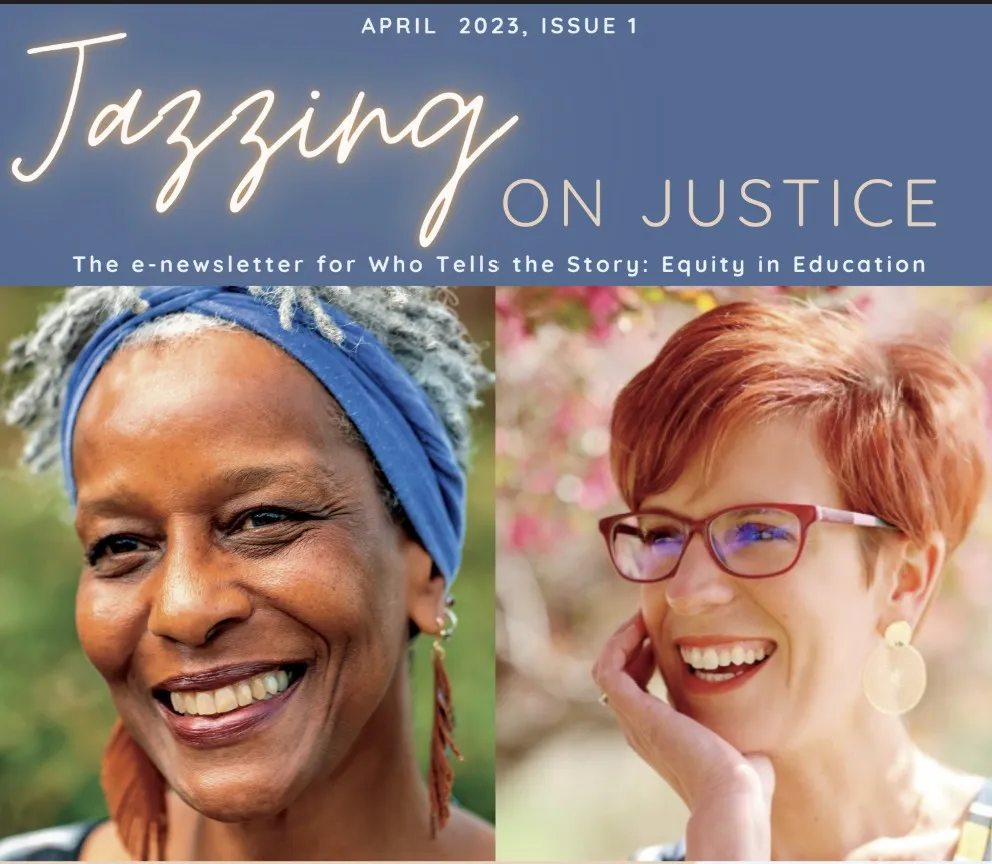
Amanda Cherry’s sixth-grade language arts class has the privilege of seeing, hearing, and understanding perspectives that might otherwise not be discussed in a middle school class setting. When poet and racial justice facilitator Norma Johnson stepped into the classroom, the students were excited to see her welcoming face again.
Norma shared her original poem, “A Poem For My White Friends: I Didn’t Tell You,” a haunting reflection on the quiet but persistent weight of racial bias. She spoke about the sharp stares in public spaces, the subtle yet suffocating need to keep her hands visible to avoid suspicion while shopping, and the ever-present unease when passing a police officer. “It feels like virtual worlds apart,” she said, describing the invisible division between her reality and that of her white peers. The room fell silent, the weight of her words settling in.
Norma then shared her personal experience behind what inspired this poem, a shopping trip on Pearl Street with a white friend. Both women carried identical shopping bags, yet only Norma was met with scrutinizing glances from a cashier. Her friend noticed but remained silent, continuing to laugh and chat as if nothing had happened. That silence, Norma explained, felt like a suppression of her experience, a refusal to acknowledge what was right in front of them. That night, unable to shake the emotions swirling in her mind, she picked up a pen and let the pain, frustration, and truth spill onto the page. The result was a poem that captured the unseen yet deeply felt realities of everyday racism.
It left us thinking about how often these moments of bias and silence unfold in everyday life, pushing the students into a deeper reflection on the realities that many people face but few openly acknowledge.
The students, many hearing such experiences voiced for the first time, responded with striking clarity. “People acknowledge it, but that’s not how it should be,” one said. Another added, “People know about it, but don’t want to know.” Their words revealed an uncomfortable but necessary reckoning. “It starts with little things, but turns into a way bigger problem in the end,” one student reflected, while another admitted, “Some people don’t understand why they are doing it or how to not do it.” Their honesty, grounded in integrity, showed not just comprehension but a willingness to question societal norms, challenge biases, and embrace new perspectives that could lead to meaningful change in their classrooms.
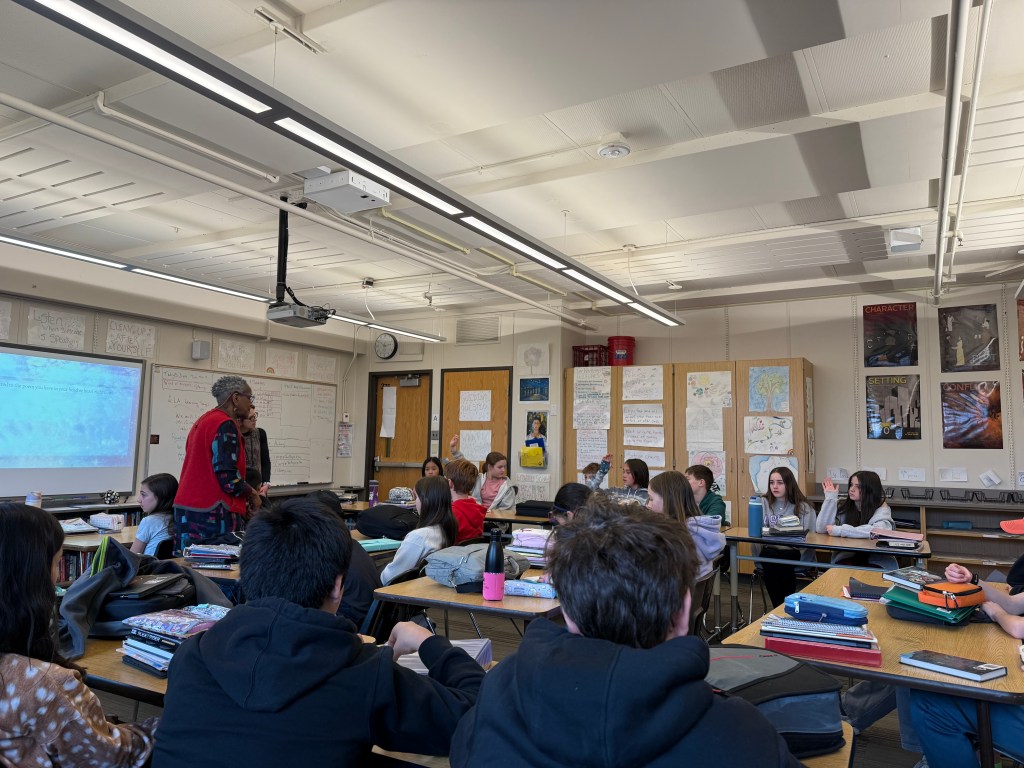
Norma’s message is clear: storytelling is power. “If you don’t tell your story, somebody else will…and that is the power of your own voice,” she reminded the class. Her visit wasn’t just a conversation about racism; it was a call to assert truth, to bring forward the stories that have long been ignored or silenced.
Amanda and Norma’s collaboration through Who Tells the Story creates space for voices too often ignored, reshaping the way we understand and share experiences. It challenges us to listen with intention, to confront the stories we often ignore, and to understand perspectives beyond our own. As I left the classroom, I reflected on Norma’s words, questioning the narratives we uphold, the truths we turn away from, and the responsibility we have to amplify voices that need to be heard. It is a reminder that change begins with us, by listening, acknowledging, and courageously sharing our own stories.
Mireya Lujan
Community Engagement and Equity Intern at YWCA Boulder County
Community Connector

.webp)